July 2, 2026

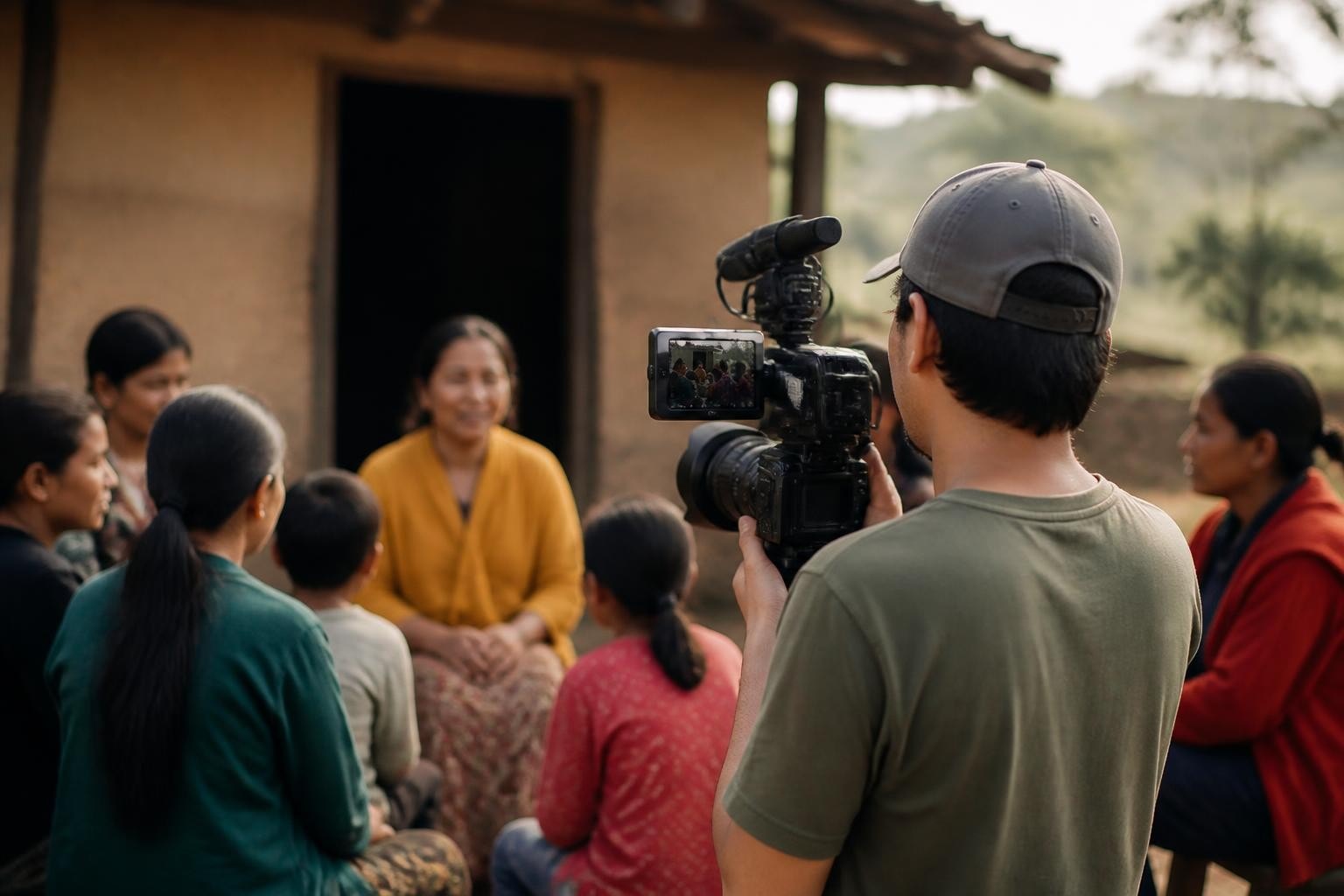
Most NGOs and mission-driven businesses approach video production backwards. They start with the format (a short film, a testimonial, a campaign clip) instead of asking what problem the video solves or which audience behaviour it needs to change. A video production company London worth working with should start every brief by questioning the brief itself, not just costing it up. Video is expensive, time-consuming, and rarely works in isolation. The companies that understand this build content around strategic intent, not creative vanity.
Corporate video follows predictable patterns: glossy b-roll, uplifting music, talking heads in branded polo shirts. It works for product launches and internal comms. It fails spectacularly when the goal is advocacy, donor engagement, or community mobilisation. NGOs need storytelling that shifts perception or compels action. That requires a production partner who understands campaign mechanics, not just shot composition.
The gap shows up in three places:
A video production company London that specialises in purpose-driven work approaches projects differently. They start with impact goals and audience psychology before discussing camera rigs or animation styles.
Most production houses take the brief, deliver the files, and invoice. Strategic partners push back when the brief won't achieve the stated goal. They ask uncomfortable questions about distribution plans, audience testing, and how success will be measured beyond view counts. That friction is useful.
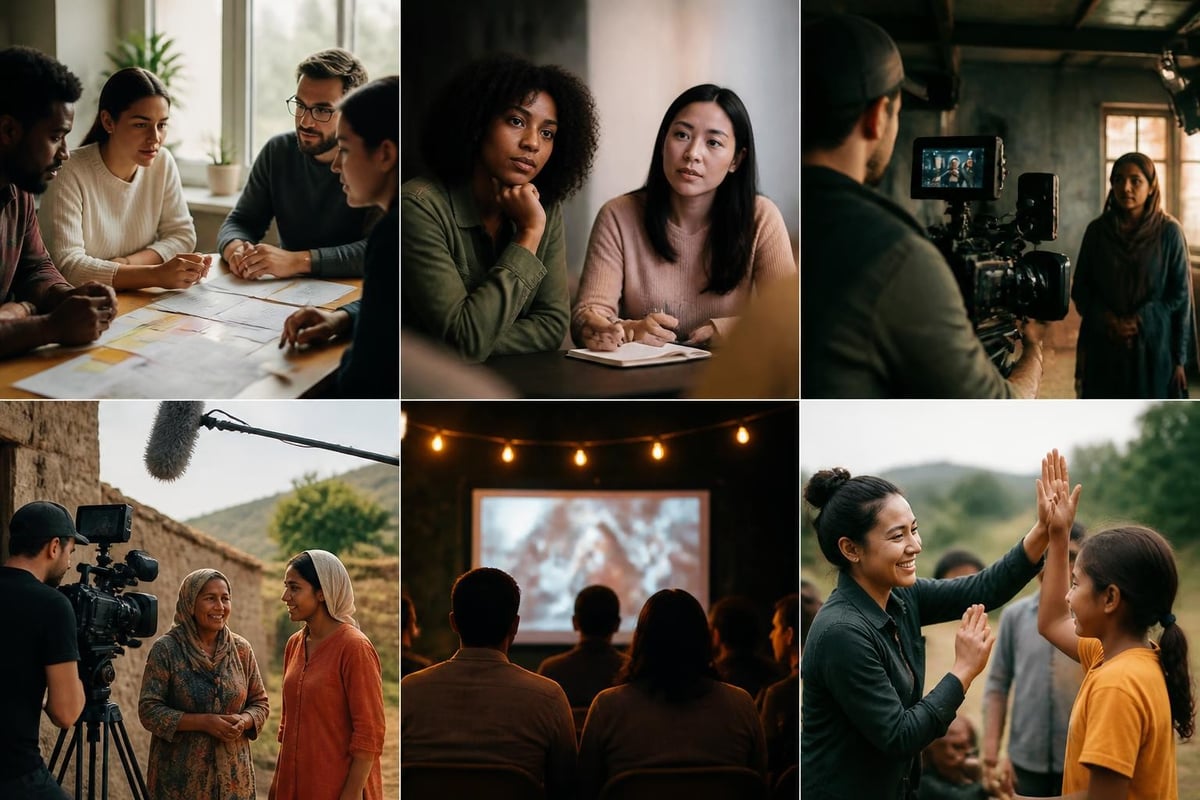
When evaluating a video production company London, test their process by presenting a vague brief. If they quote immediately without clarifying objectives, that signals order-taking. If they ask about campaign context, existing assets, and post-production distribution, that signals strategic thinking.
Video pricing confuses buyers because it bundles multiple disciplines into one line item. A three-minute charity film might include scriptwriting, casting, location scouting, filming, editing, grading, sound design, and animation. Each component has vastly different cost drivers.
| Production Component | Cost Driver | Where NGOs Overpay |
|---|---|---|
| Pre-production | Concept development and scripting time | Accepting generic templates instead of custom narratives |
| Filming | Crew size, equipment tier, shoot days | Over-speccing gear for digital-only content |
| Post-production | Revision rounds, motion graphics complexity | Requesting endless tweaks without clear approval process |
| Licensing | Music, stock footage, talent releases | Not clarifying usage rights upfront |
The rise of AI video creation tools has changed the economics for certain content types. Simple explainer videos, social cutdowns, and caption overlays can now be produced faster and cheaper using AI-assisted workflows. That shifts the value proposition for human-led production towards storytelling that requires nuance, emotion, or cultural sensitivity.
For mission-driven organisations, the strategic question is not "what's the cheapest option" but "what's the minimum viable production quality to achieve the campaign goal." A shaky smartphone testimonial from a beneficiary often outperforms slick studio work if authenticity matters more than production values. A video production company London with NGO experience understands this trade-off instinctively.
Video format should follow function. Different campaign objectives require different content approaches, and format selection happens before creative development, not after.
Awareness campaigns need short, emotionally resonant content optimised for social platforms. Thirty-second clips with bold text overlays, minimal dialogue, and strong opening hooks. These compete in crowded feeds where watch time is measured in seconds.
Advocacy work benefits from longer-form storytelling that builds empathy and explains complexity. Three to five-minute documentaries that humanise policy issues or expose injustices. These live on campaign pages, get embedded in articles, and circulate within networks already engaged with the cause. Our My Return Campaign work demonstrated how video storytelling anchored a multi-channel advocacy effort that generated over 1M petition signatures.
Fundraising content requires proof points and emotional connection in equal measure. Case studies showing tangible impact, beneficiary testimonials paired with outcome data, behind-the-scenes footage that builds trust in organisational competence. Length varies based on donor segment, major donors tolerate longer content, mass donors need brevity.
Educational material prioritises clarity over emotion. Explainer videos, step-by-step guides, policy briefings. Animation often works better than live action because it controls complexity and removes visual noise.
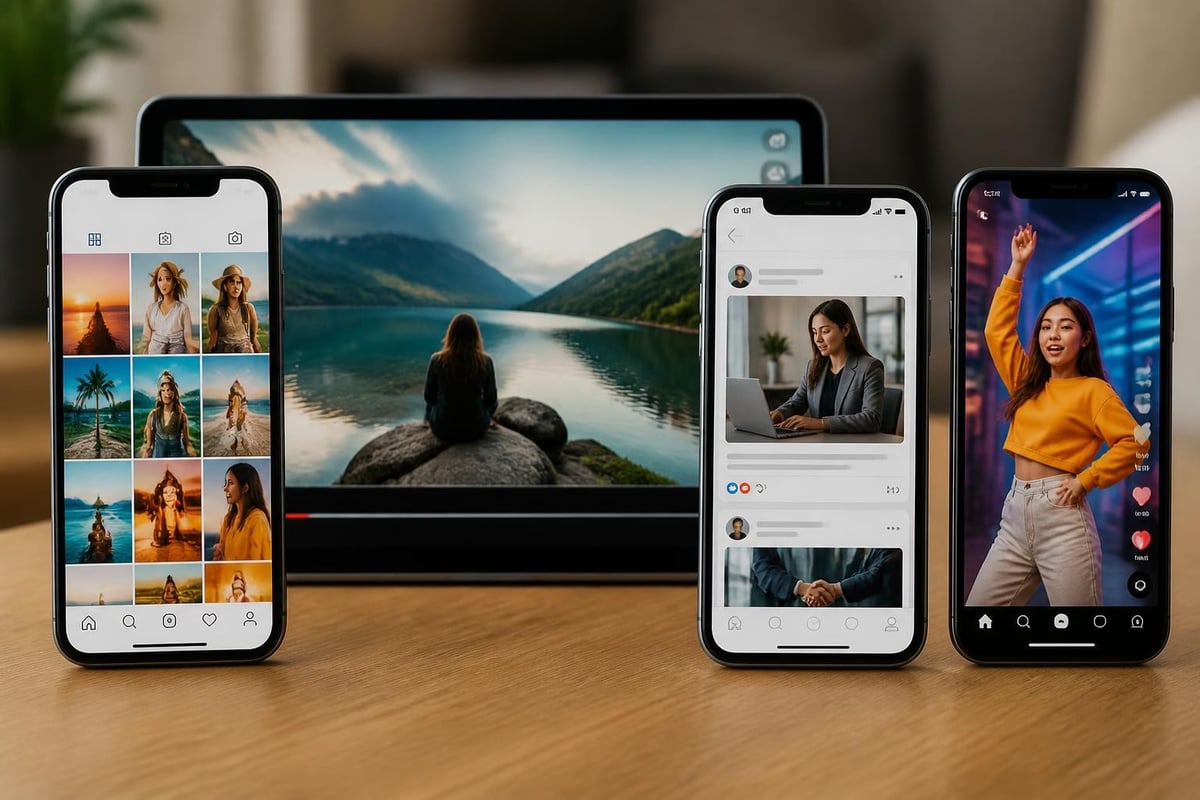
Shooting one master video and repurposing it across platforms sounds efficient. It rarely works. Each platform has distinct technical specs, audience behaviours, and content conventions.
| Platform | Optimal Length | Format Ratio | Key Consideration |
|---|---|---|---|
| Instagram Feed | 30-60 seconds | 1:1 or 4:5 | Sound-off viewing, text overlays essential |
| Instagram Stories | 15 seconds per slide | 9:16 | Vertical native, swipe-up for engagement |
| YouTube | 3-10 minutes | 16:9 | SEO matters, titles and descriptions drive discovery |
| 60-90 seconds | 1:1 or 16:9 | Professional tone, thought leadership angle | |
| TikTok | 15-60 seconds | 9:16 | Trend-responsive, high pace, native feel |
A competent video production company London builds multi-format delivery into the production plan from day one. That means shooting vertical and horizontal footage simultaneously, planning edit points for different durations, and delivering packages of assets, not just one master file.
Expensive cameras and Adobe subscriptions are table stakes. Every production house has them. The differentiator is narrative craft, the ability to structure a story that serves campaign objectives while respecting the audience's intelligence.
Technical capability includes:
Strategic storytelling includes:
Most NGOs need the second list more than the first. A video shot on mirrorless cameras with natural light can outperform cinema-quality production if the story resonates and the ask is clear. When briefing a video production company London, lead with the behaviour you want to change, not the aesthetic you want to achieve.
Portfolio review matters, but it's easy to misjudge. Flashy showreels filled with car commercials and corporate events tell you nothing about a company's ability to handle sensitive subjects or marginalised communities. Look for evidence of work that tackles complexity, not just pretty shots.
Questions to ask during evaluation:
The last question separates order-takers from strategic partners. Any production house can say yes to everything. Good ones say no when the brief won't work.
Check recent client work, not just portfolio highlights. Ask for examples where production constraints (budget, timeline, access) required creative problem-solving. Those case studies reveal how a company performs under real-world conditions, not ideal scenarios.
Some warning signs appear early in the scoping conversation. Pricing that seems too good suggests corners will be cut, usually in pre-production planning or post-production revisions. Vague timelines without defined milestones make accountability impossible. Contracts that don't clearly specify usage rights create legal headaches when you want to repurpose content later.
Production companies that specialise in commercial work often struggle with NGO budgets and approval processes. They're accustomed to faster decisions, bigger budgets, and less stakeholder consultation. That mismatch creates friction. A video production company London with charity sector experience already knows how to navigate committee approvals, donor sensitivities, and restricted budgets.
AI tools now handle tasks that required human specialists five years ago. Transcription, captioning, basic editing, colour correction, and even script generation happen faster and cheaper through software. The surge in business demand for AI video creation reflects this shift.
What AI handles well:
What still requires human judgement:
For NGOs, AI creates opportunity to produce more content at lower cost, but only for certain formats. Social cutdowns, caption overlays, and simple explainer graphics benefit immediately. Advocacy storytelling, testimonial interviews, and campaign films still need human craft.
When working with a video production company London, ask how they integrate AI tools into their workflow. Companies that dismiss AI entirely are falling behind. Companies that rely on it exclusively miss the strategic value of human storytelling. The sweet spot is selective adoption where AI handles commodity tasks and frees up budget for creative work.
Most organisations treat distribution as an afterthought. They finish the video, upload it to YouTube, share it once on social media, and wonder why it underperforms. Distribution deserves as much planning as production.
Before a single shot is filmed, answer these questions:
A video production company London that understands digital marketing knows these questions matter. They'll ask them during briefing. If they don't, you need to.
The Video Production and Content Creation service we deliver for NGOs starts with distribution planning because a brilliantly produced video that no one sees achieves nothing. Every piece of content gets built with a clear distribution path and promotion strategy before production begins.

Organic reach on social platforms continues to decline. Even highly shareable content from established NGO accounts reaches a fraction of followers without paid amplification. That means budgeting for promotion, not just production.
A rough rule: allocate at least 50% of production budget to distribution. A £10,000 video needs £5,000+ in promotion to reach meaningful scale. That promotion budget might cover:
Production companies rarely advise on paid promotion because it's outside their service scope. Digital marketing agencies handle that piece. The gap creates coordination problems. Ideally, production and promotion teams collaborate from brief stage, not after the video exists.
Views are a vanity metric. They measure exposure, not impact. For mission-driven organisations, success metrics should connect to campaign goals, not platform analytics.
Advocacy campaigns: Petition signatures, policy submissions, media coverage, event attendance, coalition sign-ups
Fundraising campaigns: Donations attributed to video, donor acquisition cost, average gift size, conversion rate from video viewers
Awareness campaigns: Brand recall studies, message comprehension tests, audience sentiment shifts, search volume changes
Educational content: Knowledge retention tests, behaviour change indicators, resource downloads, follow-up engagement
A professional video production company London should ask how success will be measured before production starts. That influences creative decisions. A video optimised for watch time looks different from one optimised for click-through to a donation page.
Platform analytics tell you what happened (views, completion rate, shares). Impact measurement tells you whether it mattered (behaviour change, mission advancement). Both are useful, but the second drives strategic decisions.
London offers production advantages: diverse locations, deep crew talent pools, advanced post-production facilities, and access to specialist services. It also presents challenges: high costs, complex permitting, weather unpredictability, and location competition from the booming UK film industry.
Filming in central London requires location permits for public spaces, which cost money and take time to secure. Popular locations (South Bank, Trafalgar Square, parks) often have booking queues weeks long. Production companies with local experience know alternative locations, permit shortcuts, and which boroughs are production-friendly.
London production considerations:
For NGOs with limited budgets, shooting outside central London or using studio spaces can reduce costs significantly. A video production company London with cost-conscious clients knows when to suggest alternatives that maintain quality while controlling spend.
Broadcast industry transformation reports highlight shifts towards remote production, cloud-based workflows, and IP-based contribution. These technologies lower barriers to multi-location shoots and enable distributed teams.
Virtual production using LED walls and real-time rendering, once exclusive to big-budget features, is becoming accessible for commercial work. For NGOs, this matters when creating content that requires impossible locations (conflict zones, disaster sites, inaccessible environments). Green screen and virtual backgrounds enable storytelling that would be logistically or ethically impossible to film traditionally.
360-degree video and immersive content formats create new storytelling opportunities. Research on 360° video processing shows technical advances making these formats more practical. For organisations working on environmental issues, human rights documentation, or experiential education, immersive video offers compelling narrative tools.
Some larger NGOs build internal video capability. Others outsource everything. Most need a hybrid approach: in-house teams handle routine content (event coverage, social clips, updates), external partners tackle flagship campaigns and specialist projects.
In-house production strengths:
In-house production limitations:
A video production company London can augment in-house teams rather than replace them. They bring specialist skills, fresh creative perspective, and surge capacity during campaigns while the internal team handles business-as-usual content.
The decision framework should map to content volume and strategic importance. High-volume, lower-stakes content (social updates, event recaps, quick explainers) suits in-house production. Lower-volume, higher-stakes projects (campaign launches, fundraising appeals, advocacy films) justify external investment.
Contracts matter more than most organisations realise until they need to repurpose content. Video production agreements should clearly specify ownership of raw footage, final edits, music rights, and usage permissions.
Standard licensing models:
| License Type | What It Covers | When It's Used |
|---|---|---|
| Work for Hire | Client owns all footage and rights | Most NGO projects |
| Limited Use License | Specific platforms and duration | Budget-conscious projects |
| Shared Rights | Both parties can use for portfolio/promotion | Collaborative partnerships |
| Exclusive Rights | Only client can use, production company cannot showcase | Sensitive or proprietary content |
Music licensing creates the most confusion. That inspiring track from the production company's library might only be cleared for social media, not broadcast or paid advertising. Stock music libraries like Epidemic Sound or Artlist offer comprehensive licenses, but production companies using these should confirm what's included.
Talent releases are essential when filming identifiable people, especially vulnerable populations. Proper consent processes protect both the organisation and the subjects. A responsible video production company London has standardised release forms and understands safeguarding requirements for working with minors or at-risk groups.
Competitive tendering feels thorough but carries costs: time investment in brief preparation, vendor management overhead, and the risk that agencies lowball to win then deliver minimum viable work.
Brief multiple agencies when:
Direct appointment works better when:
For mission-driven organisations with limited procurement resources, building long-term relationships with trusted production partners often delivers better outcomes than constant re-tendering. A video production company London that understands your cause, audience, and constraints becomes more valuable over time, not less.
Video production for NGOs and mission-driven organisations succeeds when strategy leads creative, not the reverse. The production company you choose should challenge your brief, question your assumptions, and push for clarity on goals before discussing cameras or editing suites. If you're building campaigns that need video content with genuine impact, Threems Agency combines production expertise with strategic marketing know-how across advocacy, fundraising, and awareness work for civil society organisations in the UK, Europe, and beyond.