June 30, 2026


The market for social media agencies in London is crowded, and most agencies aren't built for the constraints NGOs face. Limited budgets, mission-critical messaging, and stakeholder scrutiny mean you can't afford to test agencies that treat social like a content calendar exercise. What separates useful from performative is whether the agency understands that social media for NGOs isn't about follower counts but audience mobilization, policy influence, and resource mobilization. That understanding shapes everything: targeting, creative approach, and how success gets measured.
Geography matters less than it used to, but London's concentration of NGO headquarters, policy institutions, and media outlets creates a unique ecosystem. Social media agencies in London that work with civil society organizations understand the regulatory landscape around charity advertising, the tone required when engaging with government bodies, and the media cycles that determine when a campaign breaks through or gets buried.
The city also hosts enough competition that agencies specialize. You'll find teams focused exclusively on advocacy campaigns, others on community management for healthcare NGOs, and some that only work with environmental organizations. This specialization can work in your favor if you need deep sector knowledge rather than generalist social media execution.
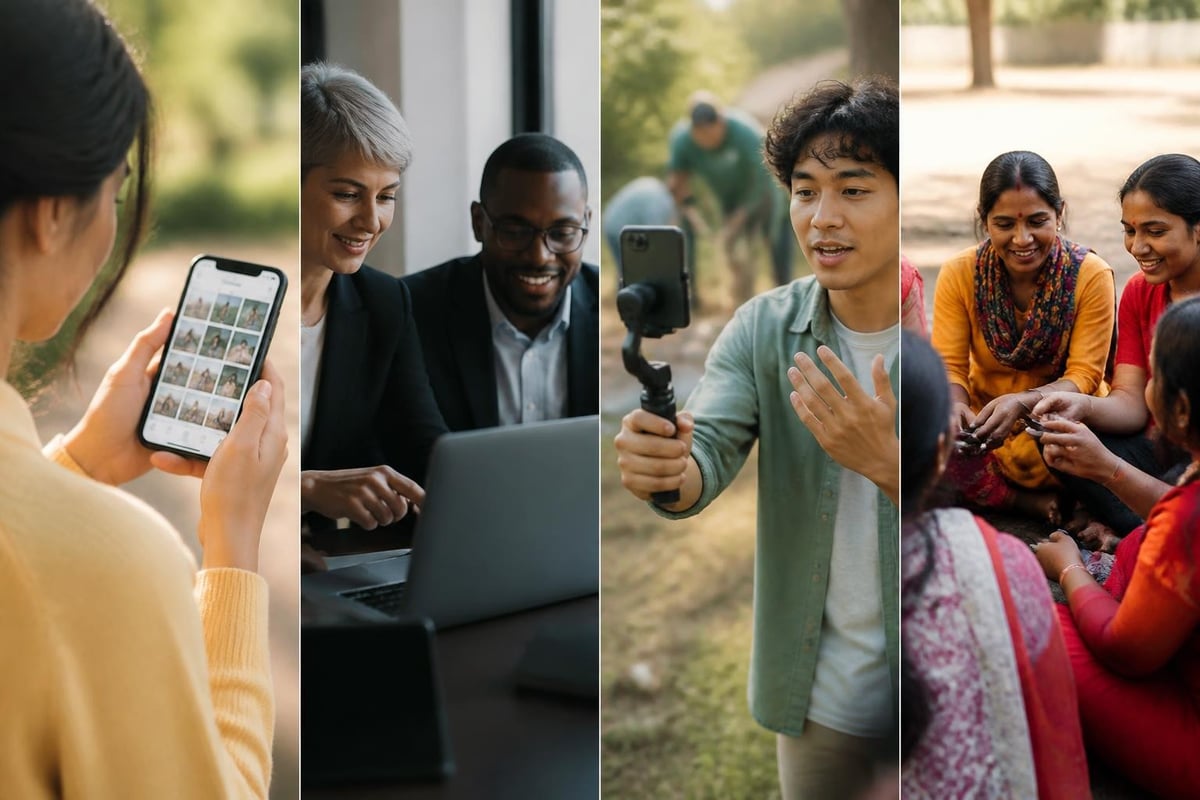
Most agencies claim full-service capabilities, but the definition varies wildly. For some, it means running paid ads and posting organically. For others, it includes influencer partnerships, crisis management, content production, and community moderation across multiple languages.
Before engaging any agency, map what you actually need:
Many NGOs discover that agencies strong in creative production fall short on analytics, or vice versa. According to research on UK social media usage, platform preferences shift year on year, which means your agency needs both creative capability and the data literacy to adapt strategy based on where your audience actually spends time.
Ask to see case studies, but go deeper than surface metrics. A campaign that generated 500,000 impressions might sound impressive until you learn it cost £40,000 and produced no measurable action. NGO social media success often looks different from commercial success, and agencies without that experience will optimise for the wrong outcomes.
| Question | What It Reveals |
|---|---|
| How do you balance organic reach with paid amplification on limited budgets? | Resource allocation philosophy and realistic expectations |
| What's your process for navigating platform policies around political content? | Experience with advocacy restrictions and charity advertising rules |
| How do you measure impact beyond engagement rates? | Understanding of NGO success metrics like petition signatures, volunteer sign-ups, or policy influence |
| Can you show examples of crisis management for mission-driven organizations? | Preparedness for reputational risk and stakeholder pressure |
The best social media agencies in London working with NGOs will reference specific platform policy changes, like Meta's evolving stance on advocacy content or TikTok's community guidelines around social issues. They'll also discuss how they've navigated tension between organizational messaging and the authentic voice required to build trust on social platforms.
You need both, but they don't always come packaged together. An agency with deep health sector experience might not understand Instagram's current algorithmic priorities. Conversely, a team brilliant at TikTok trends might struggle to translate complex policy positions into scroll-stopping content.
Threems has built marketing strategy processes that bridge this gap, starting with audience research and mission alignment before platform tactics enter the conversation. That sequence matters because social strategy without strategic foundation becomes reactive posting rather than purposeful communication.
Not every NGO needs to be on every platform, yet many agencies default to omnipresence because it increases retainer value. The reality is that spreading resources across six platforms often produces mediocre results on all of them rather than meaningful impact on two or three.
Consider these platform distinctions:
Instagram: Visual storytelling works when you have compelling imagery or can create it. Current Instagram trends in the UK emphasize authentic content over polished production, which actually advantages NGOs with real stories to tell over brands manufacturing lifestyle content.
LinkedIn: Underutilized by many NGOs despite being where policymakers, funders, and corporate partners spend professional time. Long-form posts perform better than external links, which means your agency needs writing capability, not just graphic design skills.
TikTok: High effort, high reward if your cause resonates with younger audiences. According to research on influencer trust, Gen Z trusts influencers more than institutional brands, which means TikTok strategy for NGOs often requires creator partnerships rather than branded content.
Facebook: Still relevant for community building and event coordination, particularly for local or regional campaigns. Groups feature stronger than pages for sustained engagement.

If you can't afford comprehensive social media management, prioritize strategy over execution. A well-structured quarterly strategy costs less than ongoing retainer work but gives your internal team clear direction. Many agencies offer this as a standalone service, though it requires internal capacity to implement.
Another approach: project-based work for campaigns rather than ongoing retainers. You engage the agency for a three-month advocacy push, product launch, or awareness campaign, then scale back to in-house management between major initiatives. This works particularly well for organizations with seasonal fundraising or campaign cycles.
AI integration in UK marketing has accelerated, but the technology serves NGOs best when it handles repetitive tasks rather than replacing human judgment. Look for agencies using automation for scheduling, performance tracking, and basic image editing while keeping strategy, community interaction, and sensitive content in human hands.
Useful applications of technology include:
Avoid agencies that rely on AI for content creation without human editorial oversight. The technology produces serviceable copy but struggles with the nuance required for advocacy messaging, particularly around sensitive topics or marginalized communities.
Different platforms reward different approaches to automation and scheduling. Instagram Stories benefit from real-time posting more than scheduled content. LinkedIn's algorithm favors native video over external links. TikTok actively deprioritizes content that looks too polished or commercial.
Agencies experienced with social media for NGOs maintain platform-specific workflows rather than treating all channels identically. That might mean different approval processes, different content formats, or different posting rhythms for each platform.
Social media advertising for registered charities in the UK operates under specific regulations that commercial agencies might not understand. The Advertising Standards Authority maintains guidelines around fundraising appeals, and individual platforms add their own restrictions on political content, advocacy, and cause-related advertising.
Experienced social media agencies in London working with NGOs navigate these constraints routinely. They know which phrases trigger ad rejection, how to structure fundraising appeals within platform policies, and when content needs legal review before publication.
Every NGO should have documented protocols for:
Your agency should either have these protocols already or help you develop them during onboarding. For organizations handling sensitive topics like refugee support, healthcare access, or human rights documentation, these protocols aren't bureaucracy but essential safeguards.
Vanity metrics like follower count and total impressions tell you almost nothing about whether social media serves your mission. The right success metrics connect directly to organizational goals: volunteer applications, petition signatures, event registrations, media pickup, or policy engagement.
Define these before campaign launch, not after:
Agencies focused on NGO work structure reporting around these indicators rather than generic social media dashboards. They'll also contextualize performance against sector benchmarks rather than commercial standards, because a 2% engagement rate means something different for climate advocacy than it does for consumer products.
The My Return Campaign demonstrated how proper measurement connects social media activity to real-world impact, with clear tracking from initial impression through to petition signature and media amplification. That level of attribution requires planning before launch, not retrospective analysis.
Most agency relationships need at least six months to show meaningful results, but certain warning signs warrant earlier evaluation:
Before terminating a contract, document specific issues and give the agency opportunity to address them. Sometimes the problem is misaligned expectations rather than poor performance, and a quarterly strategy review can recalibrate the relationship.
If you do switch agencies, plan for continuity. That means:
Many organizations underestimate transition friction and end up with weeks of reduced social media activity while the new agency ramps up. Build overlap time into your planning.
Not every organization needs an external agency. If you have internal digital marketing capability and can dedicate at least one full-time role to social media, in-house management might serve you better. The break-even point usually sits around £5,000 monthly in agency fees, the cost of employing a mid-level social media manager with benefits.
In-house teams offer:
Agencies offer:
Many NGOs find the optimal model combines a strategic in-house lead with agency support for specific capabilities like video production, paid campaigns, or quarterly strategy development. This hybrid approach maintains institutional knowledge while accessing specialist skills as needed.
While this article focuses on social media agencies in London, the city's concentration of providers doesn't mean better results for every organization. If your work centers on specific regions within the UK or you're part of a network spanning multiple countries, consider whether geographic proximity to your agency actually matters.
Remote collaboration tools have eliminated most location barriers, but time zone alignment and cultural context still influence effectiveness. An agency based in London working with a Scotland-focused environmental campaign needs to understand regional media landscape and policy context, not just social media tactics. For organizations with international reach, particularly those working across the UK, Europe, and beyond, agencies with multi-market experience like Threems Agency bring valuable perspective on how social strategy adapts across cultural contexts.
The social media landscape continues evolving beyond established platforms. Research on affiliate and alternative marketing channels highlights how video-first approaches and non-traditional distribution reshape how audiences discover content. NGOs often overlook opportunities in:
Forward-thinking agencies track these emerging channels and test them systematically rather than chasing every platform that generates media coverage. The question isn't whether a new platform exists but whether your audience uses it and whether your content fits its format.
Choosing among social media agencies in London comes down to alignment on three dimensions: mission understanding, strategic approach, and operational compatibility. Technical skills matter, but most established agencies have baseline competence in content creation and platform management. What differentiates useful partnerships is whether the agency grasps what success looks like for your specific organization.
Request detailed proposals that outline:
The proposal process itself reveals how agencies work. Do they ask probing questions about your stakeholders, funding model, and competitive landscape? Or do they pitch generic social media services with NGO case studies attached?
Use initial meetings to assess cultural fit and working style. Agencies comfortable with NGO work won't oversell capabilities or make unrealistic promises about reach or engagement. They'll discuss challenges as readily as opportunities and reference specific constraints they've navigated for similar organizations.
Questions to explore during selection:
Pay attention to how agencies discuss your mission. Teams genuinely interested in impact work will engage substantively with your cause area, not just the marketing opportunity it represents.
Social media agencies in London offer varying levels of expertise, sector knowledge, and strategic capability. The right partnership accelerates your impact by connecting mission-driven messaging with audiences ready to engage, support, or advocate alongside you. If you need an agency that understands both digital strategy and the constraints NGOs navigate daily, Threems Agency builds social media presence that serves organizational goals rather than chasing algorithmic trends. Our work spans advocacy campaigns, community building, and measurable impact because we know follower counts matter less than what those followers actually do.